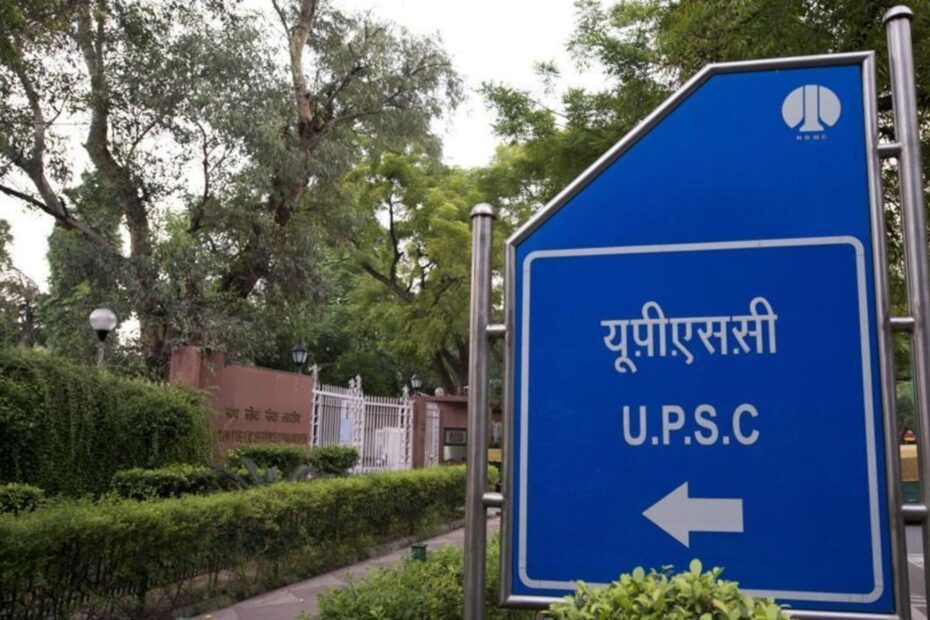
We all know that civil services are one of the most prestigious services in India and the increasing interest of youth in civil services is a new emerging challenge. According to some experts and even member of parliament, when the graduates who have received substantial government investment in their profession education opt out for civil services, the initial purpose of their specialised training is not fully realised. This leads to a loss of valuable expertise in their respective fields and a potential waste of public funds spent on their education.
How this increasing affair leads to the loss of innovation?
- Around 10-14 lakh students apply for civil service examination every year. Not all but around 50% of student’s dedicate their 2-3 most productive years of their life preparing for civil services. potentially leaving opportunities to engage in activities that could foster innovation, such as pursuing careers in research and development, entrepreneurship, or developing specialized skills in emerging technologies.
- The growing fascination with civil services among today’s youth reflects a desire for stability, prestige, and societal recognition. However, this trend is gradually fostering a mindset that prioritizes conventional success over creative exploration. While the path to civil services is undoubtedly challenging, it is also well-trodden, with clear guidelines and societal approval. In contrast, innovation often demands taking risks, embracing uncertainty, and venturing into uncharted territories — choices that are typically seen as less secure or glamorous. When the brightest minds are drawn primarily toward structured, conventional careers, society risks losing out on groundbreaking ideas and transformative leadership.
- Even after clearing one of the toughest examinations and being selected for civil services, many talented individuals find themselves constrained by systemic limitations. Despite their capabilities and vision, their ability to effect meaningful change often depends not on merit, but on the willingness of the political leadership in power. Their terms of service, postings, and responsibilities can be subject to frequent transfers, political pressures, and bureaucratic inertia. This restricts their autonomy and suppresses innovation within the system. As a result, many end up spending their careers managing files and maintaining status quo rather than implementing transformative ideas.
Now the question is, why is youth more inclined towards civil services?
- Another factor contributing to the rising popularity of civil services is the societal obsession with instant results. In India, there is a deeply rooted belief that one must begin earning immediately after obtaining a degree. Financial independence is often equated with success, and any delay is viewed as failure or irresponsibility. The unconventional path, however, demands patience, perseverance, and often years of uncertain effort before any tangible outcomes appear. There is no guaranteed payoff — emotionally, socially, or financially. In contrast, civil services, though tough, offer a clear structure, a defined goal, and a promised reward.
- In Indian society, success is often equated not just with wealth, but with power and authority. Civil services uniquely offer both — a secure salary and significant influence within the administrative framework. This dual reward system makes it more desirable than many other equally critical professions, such as teaching, social work, scientific research, or the arts, which may offer less public recognition or authority. Unfortunately, this has led to a hierarchy of respect, where professions that are essential to nation-building are undervalued. It is crucial to shift this mindset by teaching our children that every job holds value, and every role — whether visible or behind the scenes — contributes to the functioning of a healthy, progressive society.
- Lack of Awareness About Alternatives: Many youths are not exposed to diverse career options. Due to the glorification of civil services in media, schools, and families, they often don’t consider equally impactful careers in education, NGOs, startups, or research.
As our population is growing we need to diversify our economy so that more jobs can be created in other sectors of economy. We also need to change our attitude towards other sectors so that even other sectors of the economy can grow.