We are all aware that recently, terrorists carried out a brutal attack in Pahalgam, Kashmir, resulting in the tragic loss of 26 innocent lives. In response, the Indian government launched Operation Sindoor against Pakistan. Following this, several Indian Members of Parliament were sent to different countries with the aim of building international pressure on Pakistan. But this raises an important question: how does international pressure actually work?
What Is International Pressure?
International pressure is one of the most crucial tools in modern diplomacy. It refers to the collective efforts of countries or international organizations to influence the policies, actions, or behavior of a particular country. This pressure is often applied through diplomatic, economic, or political means, and it serves three main purposes:
1. To Maintain Global Order
In today’s interconnected world, many problems—such as climate change, terrorism, pandemics, or nuclear threats—are not limited to one country. They affect everyone. Therefore, countries must often come together to maintain global stability and address shared challenges.
A good example of this is the Paris Climate Agreement, where global pressure was created to encourage countries to reduce their carbon dioxide (CO₂) emissions in order to combat climate change. Though no country is forced to comply, this collective agreement creates a moral and diplomatic obligation.
2. To Influence a Country’s Internal or External Policies
Sometimes, international pressure is used to push a country to change a specific policy or action—especially when that policy harms others or threatens regional peace. In the current situation, India wants to pressure Pakistan to take strong action against terrorism and ensure that Pakistani soil is not used for launching terrorist attacks against India.
By sending Indian MPs to various countries, the Indian government is attempting to create a strong international consensus that Pakistan must be held accountable. If more countries openly criticize or isolate Pakistan diplomatically, it will increase the cost for Pakistan to ignore such issues.
3. To Protect National Interests
Countries also use international pressure to safeguard their own economic or strategic interests. For instance, when powerful nations or blocs feel that global policies are unfair or harmful to their development, they may work together to bring about change.
A modern example of this is the BRICS alliance (Brazil, Russia, India, China, and South Africa), which seeks to reduce the world’s reliance on the U.S. dollar in international trade. These countries are trying to create an alternative financial system that allows them to trade in their own currencies. This is also a form of pressure—aimed at challenging the dominance of Western economic rules.
How Is International Pressure Created?
Creating effective international pressure involves various diplomatic strategies. There are three commonly used methods:
1. Passing Resolutions
Countries often pass formal resolutions in their parliaments or international bodies to express support or opposition on global issues. While these resolutions are not legally binding, they send a clear political message and shape public opinion.
For example, if multiple countries pass resolutions condemning terrorism in Pakistan, it helps create a global narrative. Even if there are no immediate sanctions, such resolutions build diplomatic momentum and encourage further action.
2. Imposing Sanctions
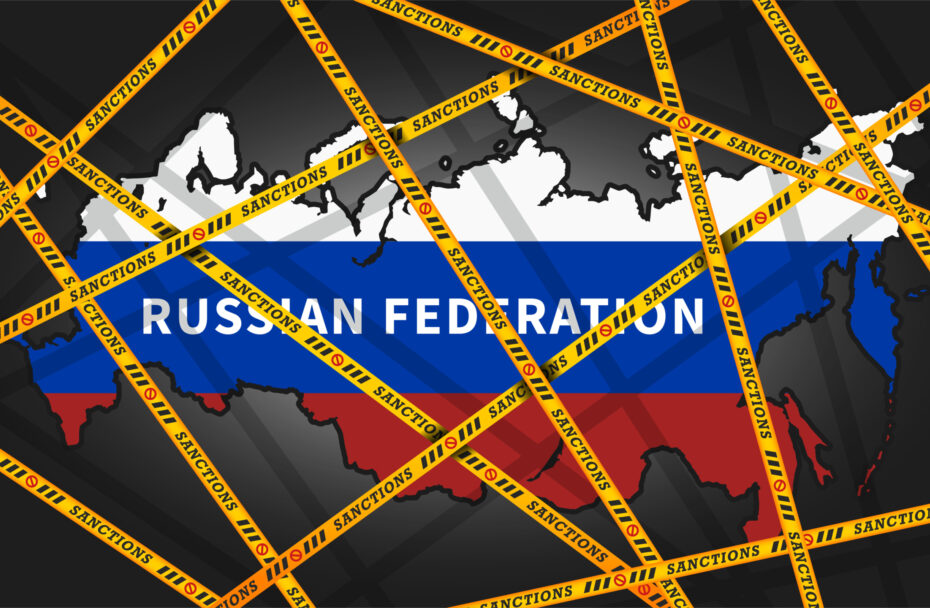
Sanctions are official restrictions placed on a country’s trade, economy, or diplomatic engagement. These are often used when a country violates international laws, human rights, or threatens global peace. Sanctions can include banning trade, freezing financial assets, cutting diplomatic ties, or restricting travel.
Notable examples include U.S.-led sanctions on Iran, North Korea, and Russia, which have significantly impacted those countries’ economies and global standing. The goal is to pressure them into changing their behavior by making non-compliance economically or politically costly.
3. Forming Alliances
Perhaps the most powerful and long-term form of international pressure is the creation of alliances or coalitions. When countries with shared values or goals come together, they can exert much greater influence—whether in terms of military power, economic clout, or global decision-making.
A prime example is the European Union (EU). The EU, through its unified policies, has successfully negotiated trade deals, influenced environmental standards, and even imposed coordinated sanctions—such as those placed on Russia after the Ukraine conflict. Such collective action is far more effective than isolated responses.
Why It Matters for India
In an increasingly uncertain and unstable world, it is essential for India to build strong international partnerships. These alliances should not only offer diplomatic support during crises but also stand shoulder-to-shoulder with India when it comes to protecting its national security and strategic interests.
International pressure, when applied effectively, can become a peaceful yet powerful way to bring about real change on the global stage. It transforms a country’s isolated concerns into shared global priorities—and that is the strength of modern diplomacy.